
Winter Hangrang
On the trail of the ghost cat
Winter is prime season for the snow leopard, when hunger draws it lower down the frozen slopes. This is a dedicated wildlife-tracking expedition through the icebound Hangrang valley — patient dawns behind the spotting scope, nights in traditional homes, and the thrill of sharing a landscape with the most elusive cat on earth.
Travel Modes
- Small-Group Expedition
- Private Journey
- 4x4 Expedition
Suggested price, per person
₹24,999
What makes this journey unforgettable
Snow Leopard Tracking
Trained local spotters and scopes trained on the ridgelines at dawn.
Winter Wildlife
Blue sheep, ibex, red fox and Himalayan wolf on the frozen slopes.
Traditional Homes
Warm Kinnauri homestays, bukhari fires and slow winter evenings.
Frozen Rivers
The Spiti and Sutlej sculpted into ice through the gorge.
What you’ll experience in Hango
The cliff village of Hango is the heart of this expedition — where the road ends and the tracking begins. Snow draws the snow leopard lower down the slopes, the rivers turn to ice, and life gathers around bukhari fires. Days five and six are given entirely to this valley, and to the patience it demands.
Snow Leopard Country
The slopes above Hango are among the best places in India to track the elusive cat as it descends to hunt.
Frozen Rivers & Gorges
The Spiti and Sutlej sculpted into ice, sheer canyons hushed under snow.
The Winter Village
Snow-laden Kinnauri homes, the ancient Hango monastery, and warm hearths against the cold.
Winter Wildlife
Blue sheep, ibex, red fox and the Himalayan wolf moving across the white slopes.
Activity Highlights
- Guided snow leopard tracking with local spotters
- Dawn-to-dusk wildlife watching with scopes
- Warm stays in traditional Kinnauri homes
- Winter village walks & monastery visits
- Crystal-clear winter stargazing
- Long fireside evenings with home-cooked food
Wildlife of the valley
The high slopes and frozen gorges are home to some of the Himalaya’s most elusive creatures. Every sighting is a gift the mountains rarely give.
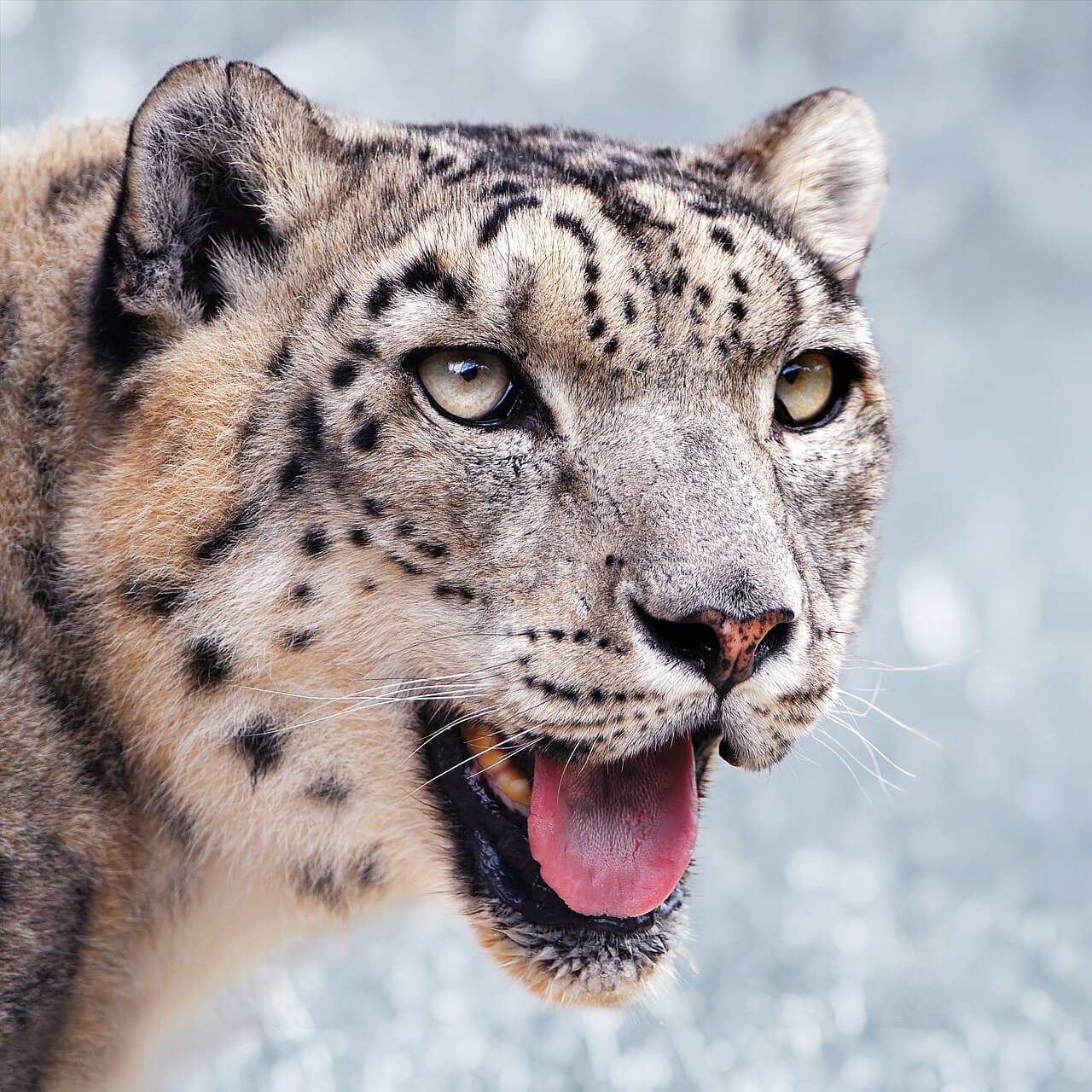
Snow Leopard
Panthera uncia
The ghost of the mountains, drawn to lower slopes in winter as it follows the blue sheep.
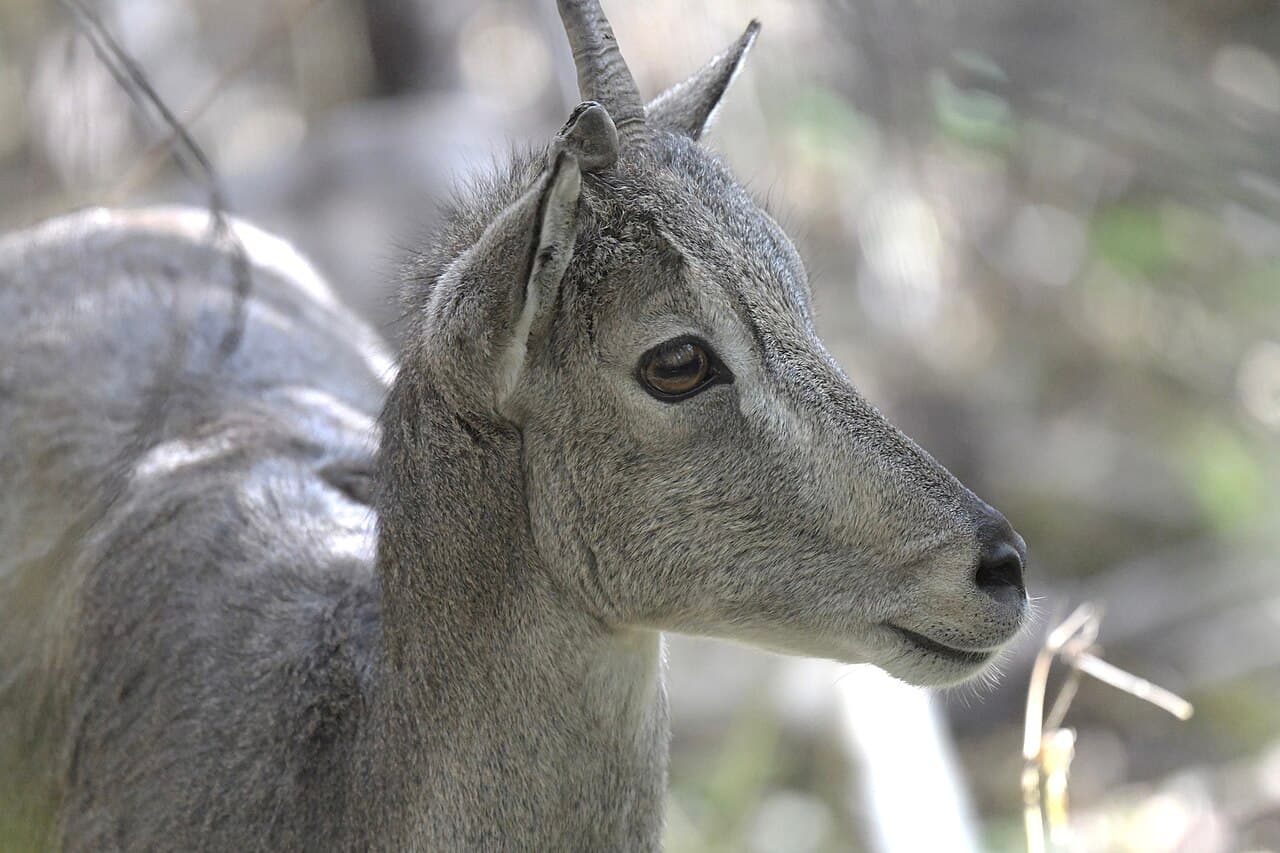
Blue Sheep
Pseudois nayaur
The bharal — sure-footed grazers of the scree and the snow leopard’s primary winter prey.
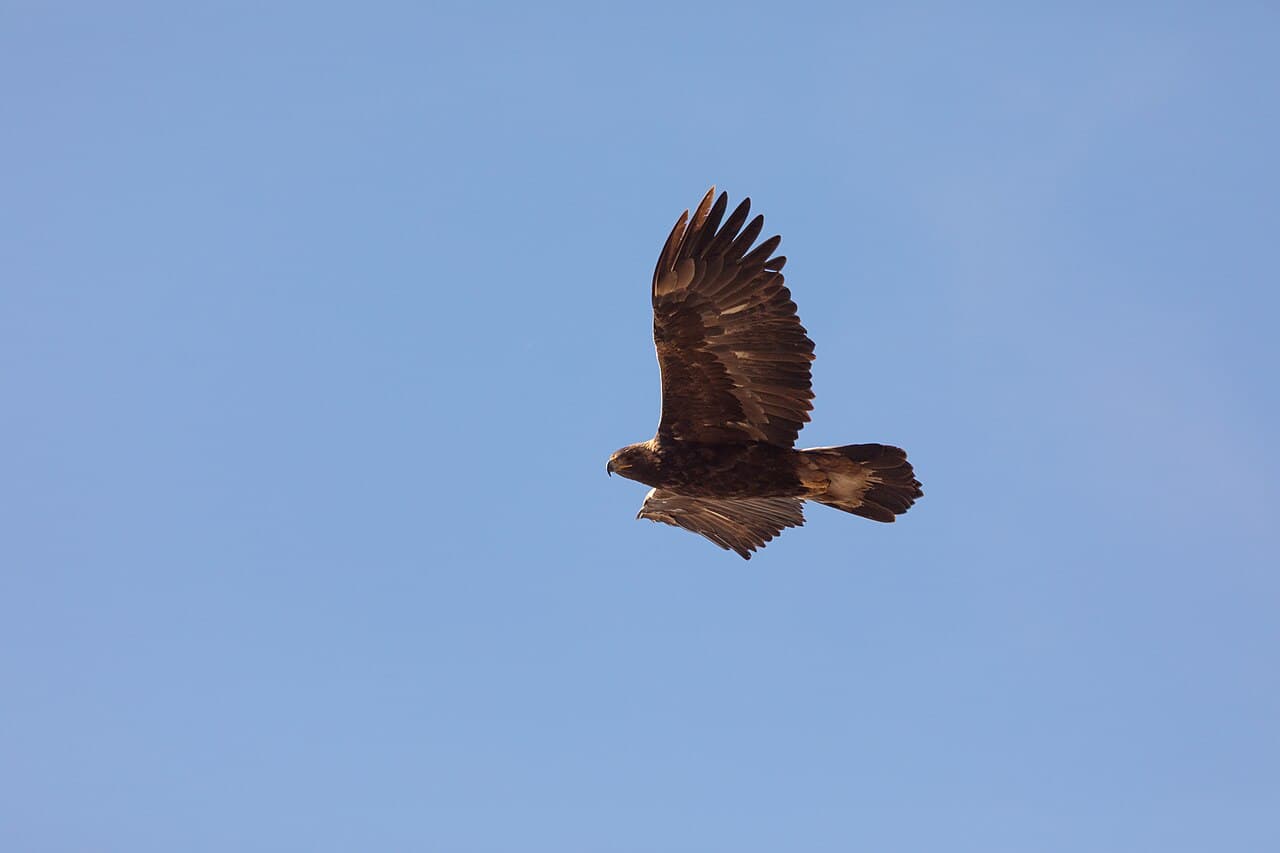
Golden Eagle
Aquila chrysaetos
A master of the thermals, riding the ridgelines on a two-metre wingspan.
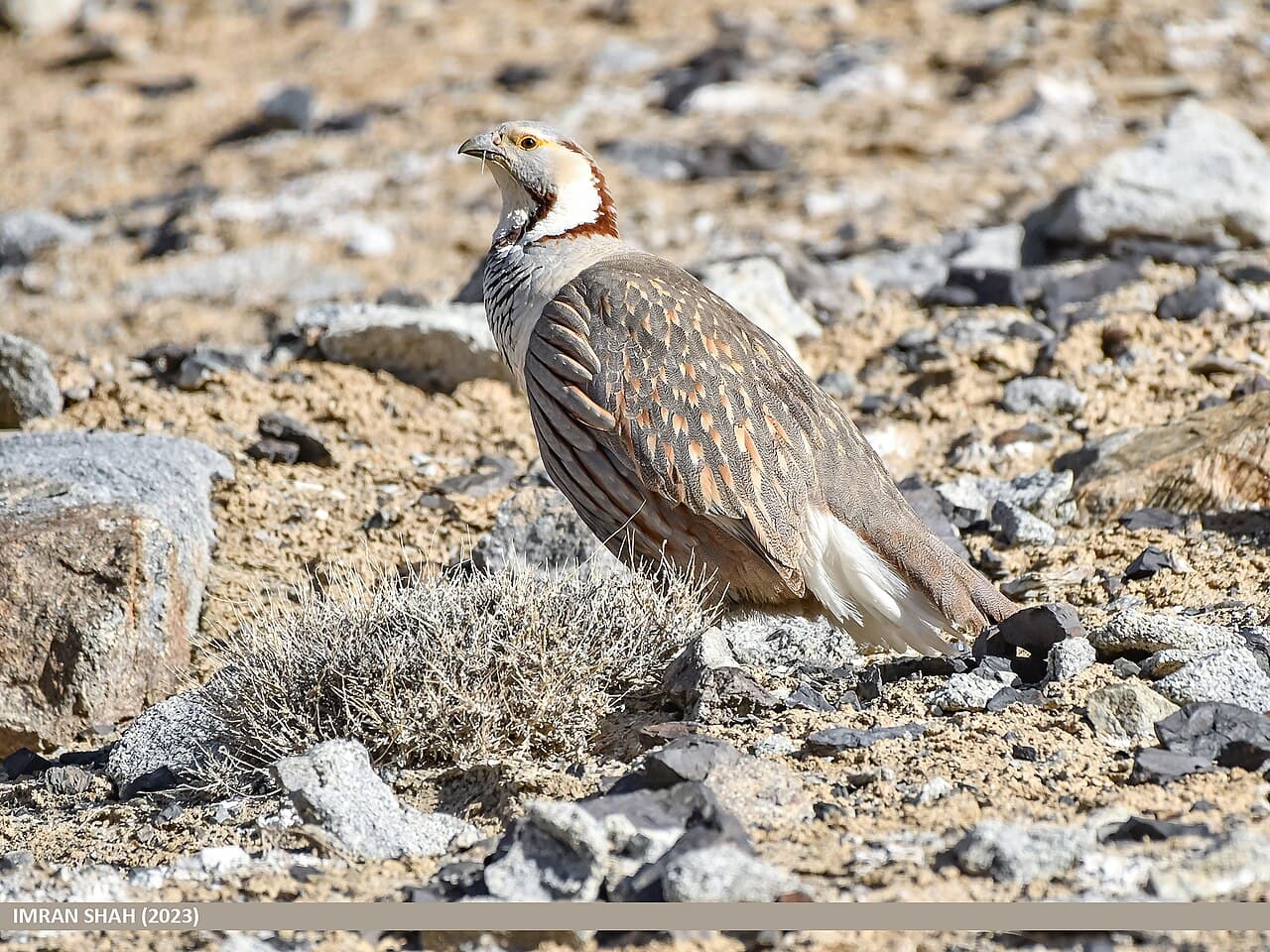
Himalayan Snowcock
Tetraogallus himalayensis
A high-altitude game bird whose whistling call carries across the frozen slopes at dawn.
Trace the trail
- Chandigarh
- Narkanda
- Bari
- Bhabha Valley
- Charang
- Hangrang
- Morang
- Chandigarh
The itinerary
- Day1
Chandigarh → Narkanda
Leave the plains behind and climb through Shimla into apple country. First night at 2,700m among frozen deodar forest — an easy altitude to begin acclimatising.
- Day2
Narkanda → Bari
Follow the Sutlej deeper into Kinnaur as the valley narrows and the road ices over. Evening briefing on tracking, scope work and cold-weather discipline.
- Day3
Bari → Bhabha Valley
Into the Bhabha, one of Kinnaur’s most beautiful side valleys and thick with winter wildlife. Afternoon walk to the first vantage points; blue sheep on the opposite slopes as the light goes.
- Day4
Bhabha Valley → Charang
Climb toward Charang beneath the Kinnaur Kailash massif. Frozen streams, snowbound apricot terraces and a village that empties to a handful of families in winter.
- Day5
Charang → Hangrang
Cross into the Hangrang valley — high, arid and utterly silent. We base at Hango, the cliff village at the heart of snow leopard country, and are behind the scopes before the next dawn.
- Day6
Hangrang → Morang
A final tracking morning on the Hangrang ridgelines, then down to Morang for its old fort-temple, warm Kinnauri kitchens and a last night under the winter sky.
- Day7
Morang → Chandigarh
The long descent along the Sutlej and out through Shimla to the plains, with the ghost cat’s country behind you.
Scenes from the expedition


Packing list
- Expedition-grade down jacket (-20°C)
- Layered thermals & fleece
- Insulated waterproof snow boots
- Balaclava, gloves & warm hat
- Binoculars (spotting scopes provided)
- Camera with long lens & spare batteries
- Hand & toe warmers
- Government photo ID for permits
Frequently asked
What are the odds of a sighting?+
Winter offers the best chance of the year as leopards descend to hunt, but nothing is guaranteed. Our local trackers dramatically improve the odds, and the winter wildlife is spectacular regardless.
How physically demanding is the tracking?+
Expect long, cold, mostly stationary hours behind a scope at altitude, with short walks to vantage points. Patience matters more than fitness, but both help.
What camera gear should I bring?+
A telephoto lens (400mm+), sturdy tripod and plenty of spare batteries (cold drains them fast). Our guides help position you for the best light and angles.
Join the Winter Hangrang
Reserve your place on our next departure. Small groups fill quickly.